The implementation of comprehensive marine waste management processes involves a rigorous operational framework that integrates MARPOL Annex V compliance protocols with advanced onboard volume reduction technologies to ensure that the accumulation of solid refuse does not compromise the vessel’s limited storage capacity or violate international environmental discharge standards during extended oceanic voyages. This technical discipline requires a holistic approach to the lifecycle of every material brought onboard. Ship operators must plan for the generation, storage, and offloading of trash. Effective planning reduces the cost of port reception facilities. Marine waste equipment serves as the backbone of this strategy. Commercial ships prioritize throughput and volume reduction. Private vessels focus on hygiene and odor control within luxury interiors.
Efficiency in waste handling impacts the operational budget. Heavy waste takes up valuable cargo or living space. Unsorted trash leads to fines from port authorities. Modern vessel waste handling relies on strict segregation at the source. Crew training is essential for the success of these systems. Digital logs replace manual record-keeping to ensure transparency. Sustainability is now a key performance indicator for the maritime sector.
Waste Types Generated on Vessels
Categorizing the specific waste types generated on vessels requires a detailed audit of the ship’s operational profile and crew consumption patterns to distinguish between domestic refuse such as food scraps and packaging materials, and operational waste streams which include cargo residues, maintenance byproducts, and hazardous chemicals that demand specialized containment protocols. Understanding these categories is the first step in system design.
Domestic waste comes primarily from the galley and living quarters. This includes plastics, paper, and organic matter. Operational waste includes oily rags, batteries, and medical supplies. These items cannot be mixed with general trash. Hazardous waste requires dedicated, fire-proof storage lockers. Cargo residues present a unique challenge for bulk carriers. Washing water from cargo holds must be treated before discharge. Proper identification prevents cross-contamination.
Collection and Segregation Systems
Establishing effective collection and segregation systems necessitates the deployment of color-coded receptacles and clearly labeled intermediate storage zones distributed strategically across the vessel to facilitate the immediate separation of recyclable materials from non-recyclable waste streams at the point of origin before they are transported to the central processing facility. Source separation is the most critical operational step. It reduces the workload on the waste processing equipment.
Galley staff separate food waste into specific bins. One stream goes to the food waste disposer or cold storage. Plastics go to the shredder or compactor. Glass is crushed to reduce volume. Ship waste systems rely on this discipline. Crew members must follow the color codes strictly. Private yachts often use hidden, high-end bins to maintain aesthetics. Commercial vessels use robust, industrial containers secured to the deck.
Treatment and Disposal Workflows
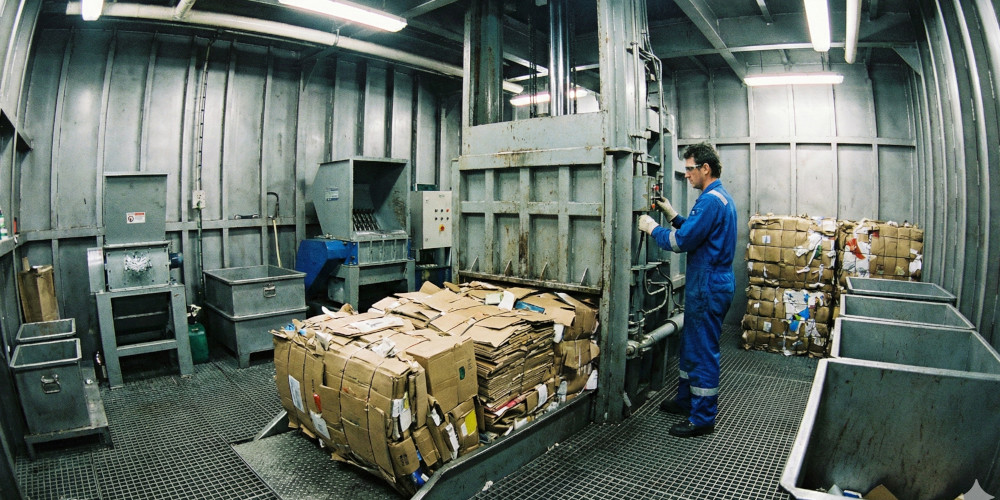
Optimizing treatment and disposal workflows involves the integration of high-density compactors, glass crushers, and incinerators within the ship’s waste management room to physically alter the volume and biological stability of the refuse, thereby extending the vessel’s operational endurance between port calls while minimizing the logistical costs associated with shore-side disposal. Volume reduction is vital for long voyages.
Compactors reduce the size of cardboard and plastic waste by up to 80%. This saves significant storage space. Food waste is often ground and discharged if the ship is outside special areas. Alternatively, it is kept in refrigerated rooms to prevent rot. Incinerators burn paper and oily sludge. This process generates heat which can be recovered. However, local regulations often restrict incineration near the coast. Onboard waste management equipment must be robust and easy to maintain.
Regulatory and Operational Considerations
Adhering to strict regulatory and operational considerations demands a continuous training program for the crew regarding the dynamic nature of Special Areas designated by the IMO where discharge rules are significantly more restrictive, requiring the vessel to retain all solid waste onboard until it reaches a port with adequate reception facilities. The Garbage Record Book is a mandatory document. Every discharge or incineration event must be logged.
Port State Control officers inspect these records frequently. Inaccuracies lead to detention or heavy fines. Technical managers must ensure all equipment is certified. Marpol Annex V placards must be displayed in key working areas. Operational efficiency depends on knowing the rules of the destination port. Some ports charge high fees for unsorted waste. Proper onboard separation lowers these costs. Compliance is not optional; it is a license to operate.