The strategic implementation of sustainable marina waste handling models necessitates a comprehensive engineering approach that integrates advanced collection logistics with real-time monitoring technologies to minimize the ecological footprint of recreational maritime activities while ensuring compliance with increasingly stringent international environmental regulations such as MARPOL Annex V. This technical integration involves the deployment of specialized hardware that can handle the unique chemical composition of marine refuse while maintaining the aesthetic and operational standards required by high-end nautical facilities. Sustainable marina waste handling is now a core component of coastal infrastructure management. Marina operators must choose systems that reduce long-term costs. Modern facilities prioritize the reduction of carbon emissions during waste transport. Engineering excellence ensures that waste does not enter the marine ecosystem.
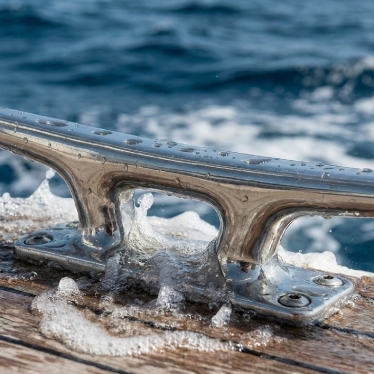
Effective management requires a data-driven strategy. Systems track waste volumes in real time. This allow operators to optimize pickup schedules. Reduced truck traffic lowers the overall environmental impact. High-density compactors save significant space in crowded marinas. Stainless steel components prevent korozyon (corrosion) from salt air. Sustainability is a primary metric for modern port success.
Waste Generation in Marina Environments
Waste generation in marina environments presents a multifaceted challenge where the convergence of domestic refuse from vessel residents and hazardous chemical pollutants from maintenance workshops creates a high-density waste stream that requires immediate onsite categorization and specialized treatment to prevent the irreversible degradation of fragile coastal ecosystems. The complexity of these waste streams dictates the design of the reception facilities. Marinas handle plastic, glass, and organic matter daily. They also manage hazardous items like used oil and batteries. Traditional disposal methods fail to address these diverse needs. Modern sustainable marina waste handling focuses on source segregation.
Operators categorize waste into three primary streams. Domestic waste includes packaging and food scraps. Hazardous waste involves oils, solvents, and paints. Recyclable matter consists of metals and plastics. Each stream requires a different handling protocol. Improper storage leads to pest infestations and foul odors. Odor control is a major concern for luxury yacht guests. High-quality waste bins use hermetic seals to prevent air escape. These bins must withstand high UV exposure and physical impact.
Centralized and Distributed Handling Models
The choice between centralized and distributed handling models involves a detailed analysis of the marina’s physical footprint and vessel traffic density where engineers must balance the efficiency of a single high-capacity processing hub against the convenience and reduced transit times offered by strategically located satellite collection points. Centralized models utilize one major facility for all waste processing. This model lowers the cost of machinery. It simplifies the logistical path for external waste contractors. However, it requires guests to travel longer distances to dispose of their refuse. This can lead to improper disposal on the docks.
Distributed models use multiple smaller stations across the marina. These stations act as temporary collection points. They improve the user experience for boat owners. Frequent collection from these points is necessary to prevent overflow. Automated vacuum systems can link these distributed points to a central hub. This eliminates the need for manual transport. Vacuum technology reduces the labor requirement for the marina staff. It also prevents leaks and spills during transit.
Table 1: Centralized vs. Distributed Marina Waste Models
|
Feature |
Centralized Model |
Distributed Model |
|
Operational Logic |
Single Hub Processing |
Multiple Satellite Points |
|
Guest Convenience |
Low (Requires travel) |
High (Accessible at docks) |
|
Hardware Costs |
Lower (One set of equipment) |
Higher (Multiple units) |
|
Logistics |
Simplified for contractors |
Complex internal management |
|
Odor Risk |
Concentrated in one area |
Spread across multiple zones |
|
Automation |
Standard compaction |
Vacuum / Smart sensors |
Environmental and Operational Benefits
The adoption of sustainable marine waste practices produces a synergy between ecological preservation and operational profitability by reducing the volume of matter sent to landfills through advanced recycling protocols and minimizing the energy consumption of transport logistics via smart sensor integration. Marinas that implement these models see a reduction in disposal fees. They also benefit from a positive brand image. Modern boat owners seek "Blue Flag" certified facilities. Sustainability is an investment in the future of the maritime industry.
Operational efficiency increases with smart bins. These devices notify the staff when they are 80% full. This prevents unnecessary inspection rounds. Labor costs decrease as a result. Environmental benefits include cleaner water in the marina basin. Reduced waste leakage prevents the death of local marine life. High-grade stainless steel bins last for decades. This reduces the carbon footprint associated with manufacturing new equipment. Long-term durability is a key factor in sustainable marina waste handling.
Integration with Vessel Waste Systems
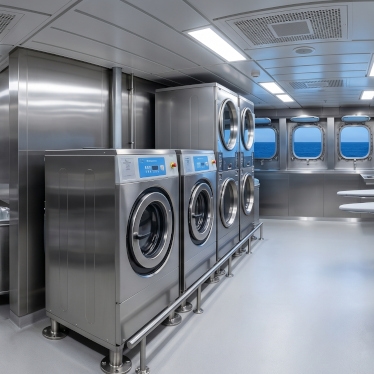
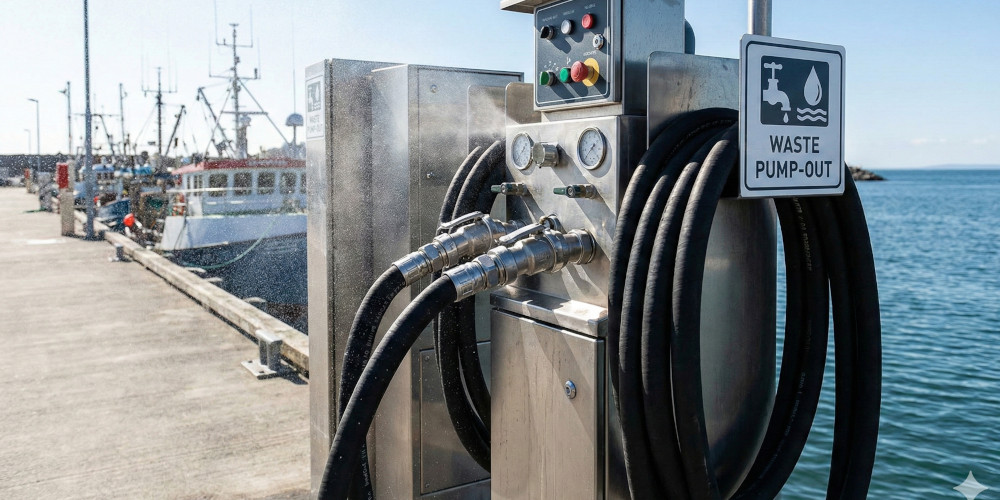
Developing a seamless technical interface between vessel-based black water discharge units and marina-side reception facilities involves the installation of high-capacity vacuum pump-out stations that can withstand the corrosive effects of untreated sewage while maintaining a rapid flow rate to ensure high turnover during peak weekend operations. These systems prevent illegal discharge into the water. Vacuum pumps provide a clean and odorless transfer. The integration of grey water systems is also becoming common. Ships produce significant amounts of grey water from galleys and laundry.
Pump-out stations are often located at the fuel dock. This allows for "one-stop" servicing. Modern units use non-clogging pumps to handle solid matter. Sensors monitor the volume of the holding tanks. This prevents overflows and environmental accidents. Automated billing systems link the pump-out volume to the boat owner's account. This simplifies the administrative process for the marina. High-quality hoses and couplings prevent air leaks. Reliability in these systems is vital for maintaining guest trust.