Managing solid refuse during extended oceanic voyages requires highly engineered mechanical solutions to prevent the rapid depletion of available storage space. The integration of advanced onboard waste compaction systems is a fundamental logistical necessity for modern maritime operations. These systems are designed to physically alter the state of generated refuse, significantly reducing its footprint before it is securely stored for eventual shore-side disposal. Implementing effective ship waste volume reduction strategies ensures compliance with strict international environmental regulations, such as MARPOL Annex V, while simultaneously mitigating the hygienic risks associated with accumulating uncompacted garbage. The operational efficiency of any vessel heavily relies on how effectively its crew can process, compress, and store daily waste outputs without disrupting primary maritime duties.
Technical Principles of Marine Waste Compactors
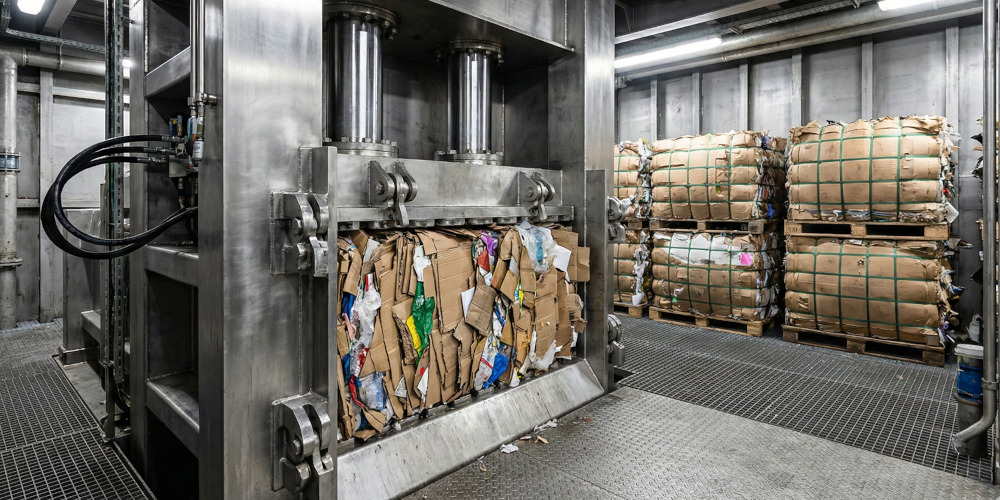
At the core of a marine waste compactor lies a robust hydraulic or electromechanical press mechanism, engineered to deliver immense downward force upon sorted waste materials. Typically constructed from heavy-gauge AISI 304 or 316L stainless steel to withstand highly corrosive saline environments, these units utilize precision-machined hydraulic cylinders capable of generating pressures exceeding several tons per square meter. The compaction chamber is hermetically sealed during operation to prevent the escape of fluids and hazardous aerosols. Modern compactors feature multi-chamber designs, allowing the crew to continuously load plastics, cardboard, and general refuse into separate compartments while the press head moves laterally between them, maximizing operational throughput.
Volume Reduction Ratios and Storage Advantages
The primary objective of these mechanical systems is to achieve maximum density. High-performance compactors can achieve volume reduction ratios ranging from 5:1 up to 10:1, depending on the material's structural resistance. For instance, bulky cardboard packaging and rigid plastic containers are crushed into dense, manageable bales that are automatically strapped for stability. This massive reduction in physical volume translates directly into unprecedented storage advantages. A designated garbage room that would normally reach capacity in four days can, with effective compaction, sustain a vessel for over a month. This extended endurance dramatically reduces the frequency and logistical costs associated with utilizing port reception facilities.
Energy Consumption and Operational Efficiency
While generating immense physical force, modern onboard waste compaction systems are optimized for strict energy efficiency to minimize the continuous load on the ship’s electrical grid. Intelligent Programmable Logic Controllers (PLCs) govern the compaction cycles, ensuring that the hydraulic pumps only draw maximum amperage during the active compression stroke. Once the peak pressure threshold is reached, the system enters a low-energy holding phase to prevent material spring-back before retracting. Standby power consumption is virtually eliminated. This precise energy management ensures that the process of ship waste volume reduction does not negatively impact the vessel's overall fuel consumption or carbon footprint.
Capacity Scenarios: Commercial Vessels vs. Yachts
The engineering approach to marine waste management varies significantly based on the vessel's operational profile. Large commercial freighters and cruise ships demand heavy-duty, high-throughput compactors capable of processing cubic meters of waste per hour. These industrial units prioritize raw power, durability, and bale weight, often requiring dedicated technical spaces. In stark contrast, luxury yachts require highly compact, ultra-quiet compaction systems that seamlessly integrate into aesthetic galley cabinetry. Yacht compactors prioritize acoustic insulation and odor control, often featuring built-in UV-C ozone generators to neutralize bacteria within the chamber. Despite the difference in scale, both scenarios demand uncompromising reliability and engineering excellence to maintain a sanitary and compliant maritime environment.
Ultimately, the deployment of sophisticated compaction technologies transforms onboard waste from a hazardous logistical burden into a highly managed, stabilized output. By leveraging extreme mechanical force and intelligent cycle management, maritime operators can safeguard their limited internal volume, protect the marine ecosystem, and maintain absolute operational continuity across the globe.