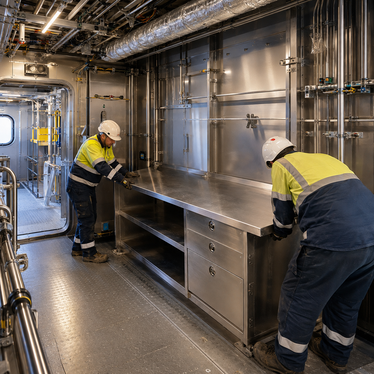
The implementation of advanced grey water treatment on vessels requires a highly engineered fluid management architecture designed to process the massive volumes of wastewater generated daily by galleys, laundries, and accommodation spaces. Unlike black water, which contains biological sewage, grey water is heavily laden with chemical detergents, suspended solids, and emulsified fats that can severely disrupt marine ecosystems if discharged without rigorous mechanical and biological intervention. Modern maritime engineering integrates these treatment protocols directly into the vessel's lower deck infrastructure, ensuring that the processing cycle operates continuously without interfering with the ship's primary navigational or hospitality functions. Marine wastewater treatment is no longer a secondary consideration; it is a core operational requirement driven by increasingly strict international environmental regulations and zero-discharge port policies.
Engineers must calculate the peak flow rates during high-demand periods, such as morning shower hours or post-dinner galley cleanup, to size the holding tanks and treatment reactors appropriately. Ship grey water systems utilize high-grade materials, predominantly AISI 316L stainless steel and specialized composite polymers, to prevent the highly corrosive mixture of hot water and cleaning chemicals from degrading the pipework. The ultimate goal of these technologies is to achieve operational sustainability, allowing vessels to operate autonomously in sensitive ecological zones while minimizing their environmental footprint.
Collection and Pre-Treatment Protocols
The initial phase of marine wastewater treatment involves the complex collection and segregation of grey water from various sources across the ship. Gravity-fed piping networks and active vacuum systems channel the wastewater into centralized collection holding tanks located in the hull. The most critical step in pre-treatment is the isolation of galley water. Galley grey water contains high concentrations of fats, oils, and grease (FOG) which can quickly blind filtration membranes and destroy the biological balance of downstream treatment units.
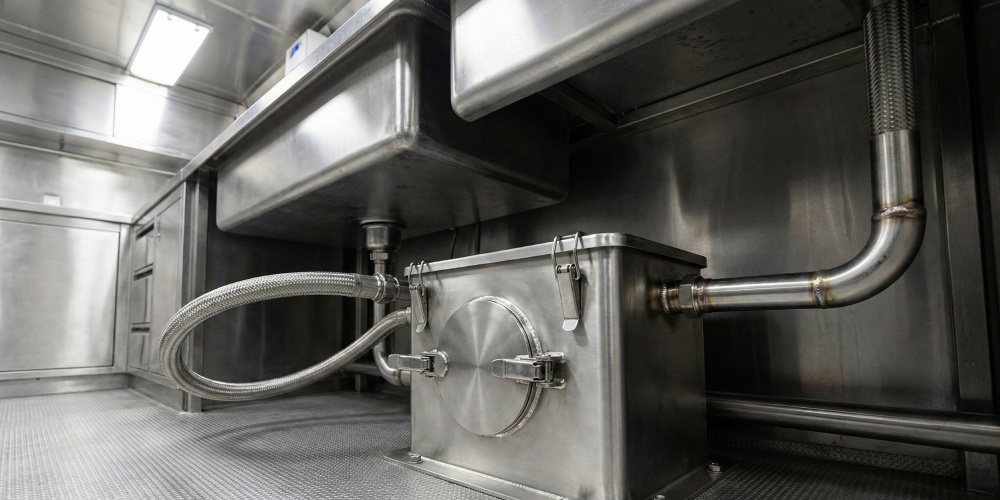
To mitigate this, automated grease separators are installed directly beneath or adjacent to the galley. These units use thermodynamic principles and physical baffles to cool the water and force the grease to coagulate and float to the surface, where it is skimmed off and transferred to a sludge tank for incineration or shore disposal. Once the FOG and large particulates are removed via coarse screening, the homogenized grey water is pumped into the primary treatment phase.
Advanced Filtration and Processing Systems
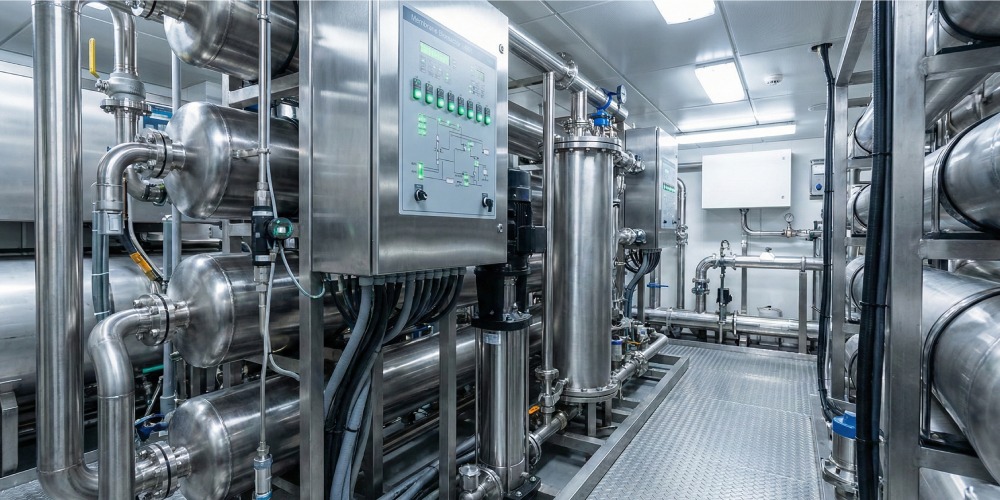
Executing the primary and secondary phases of grey water treatment relies on sophisticated technologies, most notably Membrane Bioreactor (MBR) systems. MBR technology combines biological degradation with highly efficient physical separation. Within the bioreactor, specially cultivated aerobic bacteria consume the dissolved organic matter present in the grey water. Oxygen is continuously injected into the tank to sustain this biological process and prevent the wastewater from turning septic and producing foul odors.
Following the biological phase, the water is forced through ultrafiltration membranes with microscopic pores. These membranes trap remaining suspended solids, bacteria, and most viruses, allowing only clear, treated water to pass through. Ship grey water systems often employ a final polishing stage using Ultraviolet (UV) sterilization to neutralize any residual pathogens. This multi-stage process results in effluent water that meets or exceeds the most stringent international discharge standards, such as the Alaska Murkowski Act and the MEPC.227(64) guidelines for passenger ships operating in Special Areas.
Commercial vs. Private Vessel Applications
Adapting grey water treatment on vessels requires different engineering approaches depending on the operational profile of the ship. Commercial vessels, such as large cruise ships and cargo freighters, prioritize high-throughput capacity and industrial durability. Their systems are designed to process hundreds of thousands of liters per day, utilizing large-scale MBR plants that require dedicated engineering spaces and constant monitoring by the technical crew. Redundancy is built into commercial systems to ensure that a single pump failure does not halt the entire wastewater operation.
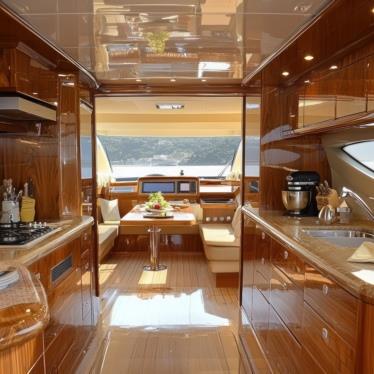
Private vessels and luxury superyachts face entirely different constraints. The primary challenges in yacht design are severe space limitations, weight distribution, and the absolute necessity for silent, odor-free operation. Yacht systems must be highly compact, often utilizing modular units that can be integrated into irregular hull cavities. Additionally, acoustic insulation is paramount; the vibration and noise from pumps and compressors must not be transferred to the guest cabins. Despite their smaller size, these bespoke systems deliver the same level of advanced marine wastewater treatment as their commercial counterparts.
Environmental Compliance and Operational Sustainability
Navigating the complex landscape of environmental compliance requires continuous monitoring of the vessel's geographic location relative to regulated discharge zones. In many coastal waters and protected marine sanctuaries, the discharge of even highly treated grey water is strictly prohibited. Vessels must rely on their calculated holding tank capacities until they reach open waters or port reception facilities. Digital monitoring systems track tank levels and valve statuses in real-time, automatically locking discharge ports when the ship crosses into a restricted zone.
Operational sustainability is achieved by turning treated wastewater into a usable resource. Advanced ship grey water systems allow for the recycling of the highly purified effluent. This technical water can be safely repurposed for deck washing, laundry operations, or as flush water for the ship's vacuum toilet system. By reusing treated grey water, vessels significantly reduce their reliance on onboard desalination plants, thereby lowering the overall energy consumption and fuel expenditure of the voyage.