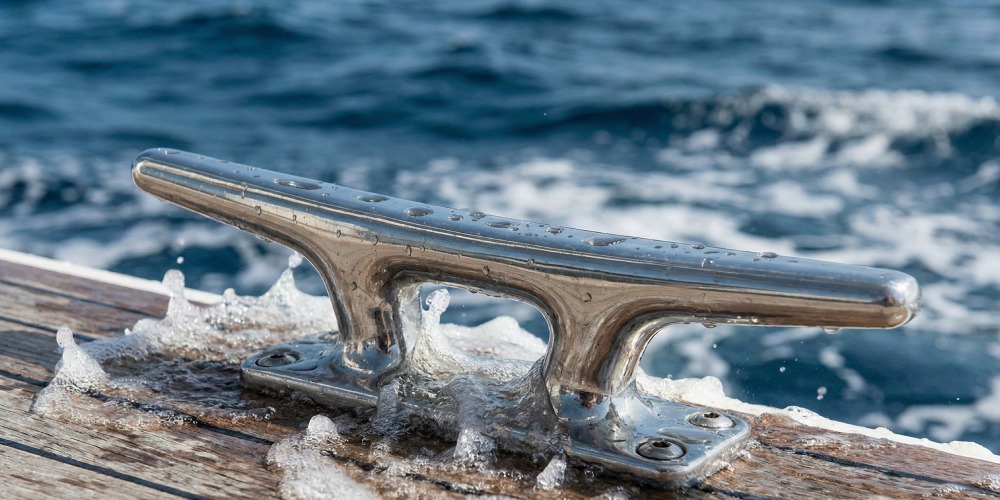
The marine environment is one of the most corrosive fields in nature for metals. Constant exposure to moisture, high salt concentrations, and chloride ions cause standard metals to oxidize rapidly. This process, known as rusting, compromises the structural integrity of the material. Yacht owners and marine engineers need high-resistance alloys to combat this destructive effect. 316L stainless steel develops a superior defense mechanism against sea water thanks to its chemical composition. This choice in material quality offers long-lasting and safe use in maritime projects.
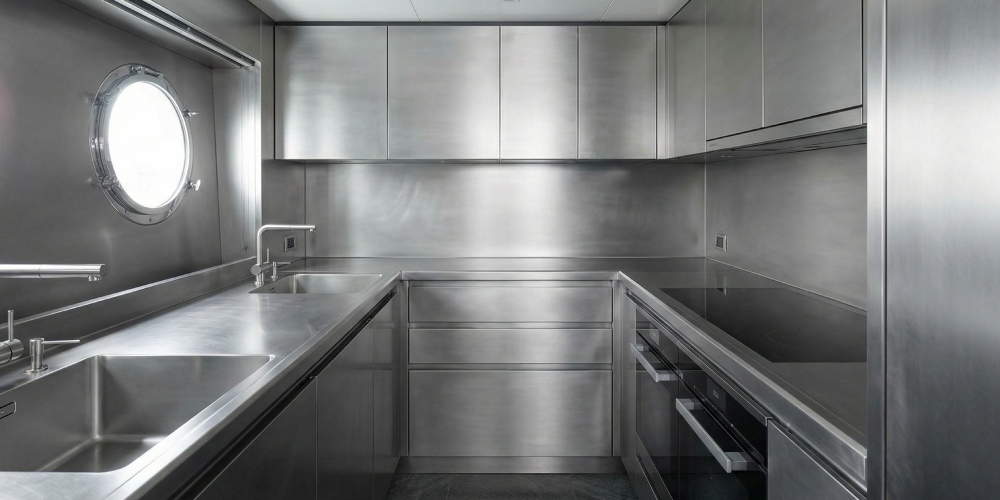
The Chemistry of Corrosion in Marine Environments
Corrosion is an electrochemical reaction between metal and its environment. Sea water acts as an electrolyte with high conductivity. Chloride ions in salt attack the protective oxide layer on the metal surface. As a result of this attack, small holes and cracks called "pitting" form on the metal surface. Standard steel types remain vulnerable to these ions. 316L grade stainless steel contains special elements that slow down this process and protect the metal surface.
The Alloy Difference of 316L Steel: The Molybdenum Effect
The most fundamental difference that distinguishes 316L stainless steel from others is the molybdenum element in its content. This substance increases the steel's resistance to chloride-induced corrosion.
Molybdenum and Carbon Ratio
The 2-3% molybdenum within the alloy stabilizes the passive layer formed on the metal surface. This layer prevents chloride ions from penetrating deep into the metal. The letter "L" at the end of its name stands for "Low Carbon." Keeping the carbon amount below the 0.03% level improves the weldability of the material. Low carbon prevents carbide precipitation during welding and the resulting intergranular corrosion.
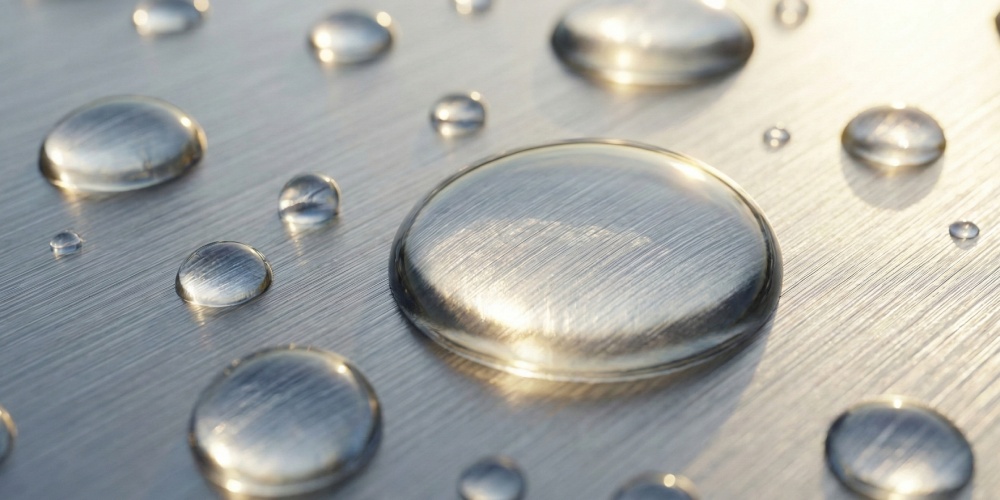
Differences Between 304 and 316 Stainless Steel
The two most frequently used stainless steel types in the industry are the 304 and 316 series. Both materials look similar visually, but their chemical performances are completely different.
Comparison of 304 and 316L Stainless Steel
|
Feature |
304 Stainless Steel |
316L Stainless Steel |
Marine Suitability |
|
Molybdenum Content |
None |
2.0% - 3.0% |
316L is Superior |
|
Chloride Resistance |
Low |
Very High |
316L is Superior |
|
Carbon Ratio |
Standard |
Very Low (L Series) |
316L is Superior |
|
Application Area |
Kitchenware, Interior |
Yacht Hull, Marine Equipment |
316L is Preferred |
|
Cost |
Economical |
High (Performance Oriented) |
316L is Worth the Investment |
Why Should 316L Be Used in Yacht Galleys and Waste Systems?
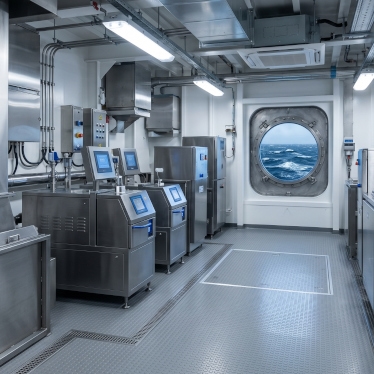
Yacht galleys and waste management systems are areas where the risk of corrosion is highest. In these areas, not only material quality but also hygiene standards are a priority.
Hygiene and Cleaning Advantages
316L stainless steel has a non-porous surface structure. This smooth surface prevents bacteria from adhering and multiplying. Food prepared in yacht galleys is not exposed to any contamination originating from the metal. The same applies to waste systems. Black and grey water tanks contain aggressive chemicals and organic acids. 316L steel resists this chemical erosion, eliminating tank leaks and odor problems.
Long-Term Cost Savings
Initially, using 316L steel may seem more costly. However, cheap and low-quality metals require replacement within a few years in a marine environment. Equipment manufactured from 316L stainless steel can serve throughout the life of the boat with proper maintenance. The decrease in maintenance costs and the reduction in the need for part replacement reveal the true value of this material.
Material Quality and Sustainability
The maritime industry focuses on more sustainable and eco-friendly solutions. 316L stainless steel is a 100% recyclable material. Its durability means less resource use and less waste production. Using this material everywhere from the deck to the engine room increases operational efficiency.
When corrosion resistance, hygiene, and durability criteria combine, 316L stainless steel takes its place at the center of marine applications. Quality material selection forms the basis of a safe and comfortable life at sea. Complying with these standards in yacht construction and modernization projects is a necessity for professional maritime.