The architectural configuration of shipboard food preparation areas must adhere to a rigid framework of international maritime sanitation protocols, specifically the USPHS (United States Public Health Service) Vessel Sanitation Program and the European Ship Sanitation Manual, which dictate the non-porous material specifications and air pressure differentials required to prevent cross-contamination between raw protein handling zones and ready-to-eat service lines. This technical compliance ensures that the risk of foodborne illness outbreaks, such as Norovirus, is mitigated through structural engineering controls rather than relying solely on procedural behavior. Shipboard food preparation standards are stricter than land-based regulations. The constant motion of the vessel adds a layer of complexity. Equipment must be secured to prevent accidents. Marine galley hygiene depends on seamless surfaces.
Gaps and crevices are breeding grounds for bacteria. Designers use AISI 304 or 316L stainless steel for all contact surfaces. This material resists corrosion from saltwater and aggressive cleaning chemicals. Lighting levels must meet specific lux requirements to ensure visual inspection is effective. Ventilation systems remove grease and steam to maintain air quality. Ship kitchen safety starts with the correct layout.
Hygiene Risks in Marine Galleys
Identifying hygiene risks in marine galleys involves a detailed analysis of the environmental factors such as high humidity and temperature fluctuations which accelerate the proliferation of pathogens on surfaces that are not rigorously sanitized according to a Hazard Analysis Critical Control Point (HACCP) plan designed specifically for the maritime environment. Biofilms can form rapidly in drainage channels. Scuppers must be easily accessible for cleaning. Pests like cockroaches seek refuge in warm, dark voids behind equipment.
Cross-contamination is a major threat in confined spaces. Raw meat and vegetables must have separate preparation tables. Color-coded cutting boards are a mandatory standard. Storage temperatures require constant monitoring. Any deviation triggers an alarm in the provision room. Potable water lines must be protected from backflow. Food safety marine protocols require regular water testing.
Safety-Oriented Equipment Selection
The process of safety-oriented equipment selection necessitates the procurement of certified marine-grade appliances that feature radiused internal corners to eliminate dirt traps and IP-rated electrical components that can withstand high-pressure water washdowns without compromising the insulation integrity of the ship’s power grid. Seamless welding is a non-negotiable requirement. High-quality marine galley equipment prioritizes hygiene by design. Legs must be flanged and bolted to the deck. This prevents equipment from tipping during heavy seas.
Deep fat fryers must have integrated fire suppression systems. Slicers and mixers require safety guards to protect operators. Latches on oven doors must be positive-locking. This prevents hot food from spilling during a roll. The layout should allow for easy movement without obstruction. Sharp edges on furniture are strictly prohibited. Every detail contributes to the overall safety of the crew.
Cleaning and Sanitation Protocols
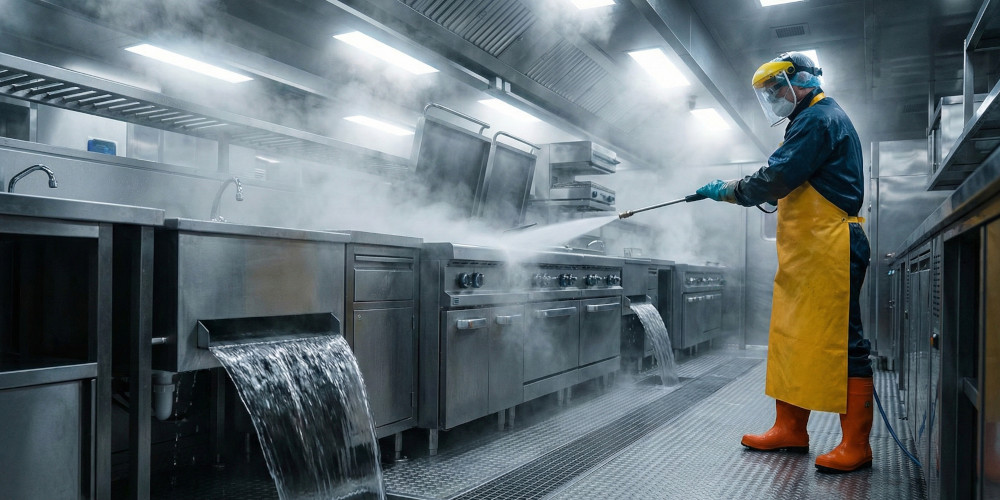
Establishing robust cleaning and sanitation protocols requires the implementation of a three-bucket system for wash, rinse, and sanitize cycles, alongside the use of approved chemical agents that are effective against specific marine-prevalent viruses while being non-corrosive to the metallic infrastructure of the galley. Schedules are dictated by the "clean-as-you-go" principle. Deep cleaning occurs during low-traffic hours. Dishwashers must reach specific final rinse temperatures to ensure sterilization.
Surfaces are tested using ATP bioluminescence swabs. This provides immediate verification of cleanliness. Crew members receive specialized training on chemical handling. Personal Protective Equipment (PPE) is mandatory during cleaning. Mops and cloths are color-coded to prevent cross-contamination between bathrooms and kitchens. Protocols are documented in the ship’s sanitation log.
Compliance and Inspection Requirements
Navigating the compliance and inspection requirements involves a thorough understanding of the International Health Regulations (IHR) and the Maritime Labour Convention (MLC) 2006, which empower Port State Control officers to detain vessels that fail to demonstrate adequate hygiene standards or proper record-keeping regarding food temperature logs and equipment maintenance histories. Unannounced inspections are common in major ports. Scores below 85 on a USPHS inspection can damage a cruise line's reputation.
Technical managers must conduct internal audits. Thermometers must be calibrated regularly. Pest control records must be up to date. The structural integrity of the galley is also inspected. Cracked tiles or rusty panels result in penalties. Compliance is a continuous process, not a one-time event. It ensures the health of everyone onboard.