The integration of professional-grade industrial equipment into the spatial constraints of modern yachting environments requires a strategic balance between heavy-duty performance capabilities and the necessity of maintaining a streamlined architectural footprint within the vessel’s interior. Marine engineers often encounter significant obstacles when attempting to fit high-output systems into areas originally designed for minimalist aesthetics. Modern marina facilities and private yachts demand a level of operational efficiency that parallels land-based commercial centers. Space remains a finite resource. Every design choice dictates the long-term viability of the vessel. Technical experts prioritize modularity and durability.
The transition from traditional maritime layouts to high-efficiency industrial hubs involves the careful selection of specialized hardware. Standard equipment fails under the duress of salt-laden air and constant structural vibrations. Professionals require systems that endure these conditions without sacrificing output. Industrial solutions now bridge the gap between heavy machinery and compact design. This evolution ensures that luxury and functionality exist in harmony. Success depends on material science and smart engineering.
Engineering Efficiency in Limited Maritime Volumes
The architectural limitations of yacht galleys and marina service areas necessitate a radical departure from standard industrial design by focusing on verticality and multi-functional components that allow operators to maximize output within a fraction of the usual required floor space. Designers analyze human movement patterns to reduce wasted steps. Compact systems must handle high loads during peak seasons. Marina operators face increasing pressure to provide commercial-grade services in small kiosks or dockside facilities. Efficiency becomes the primary metric for success.
Spatial optimization involves the use of multi-tiered workstations and integrated storage units. Technicians install equipment that serves dual purposes. A single unit might handle both convection cooking and steam preparation. This reduces the number of separate machines required. Smaller footprints allow for better airflow and easier maintenance access. Marine professionals value accessibility in tight quarters. Strategic placement prevents bottlenecks during high-activity periods.
Optimizing Airflow and Thermal Management
Effective thermal management in confined marine environments requires advanced ventilation strategies and high-performance insulation materials that prevent the accumulation of ambient heat, which could otherwise compromise the operational integrity of sensitive electronic navigation systems or neighboring cold storage units. Heat dissipation is a critical safety concern. Small rooms trap thermal energy quickly. Industrial-grade cooling fans provide necessary circulation. High-density insulation keeps exterior surfaces cool. This protects the crew from burns. It also prevents the air conditioning system from overworking.
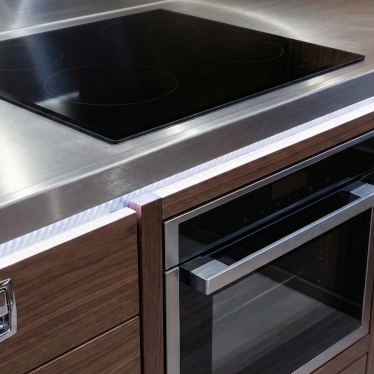
Modern galley systems utilize induction technology to minimize stray heat. Induction surfaces remain cool to the touch. Energy transfers directly to the cookware. This creates a more comfortable working environment for the chef. Lower ambient temperatures reduce the moisture levels in the air. Dry air prevents the growth of mold. Engineering teams focus on the synergy between heat sources and cooling ducts.
Compact Galley Solutions for Professional Performance
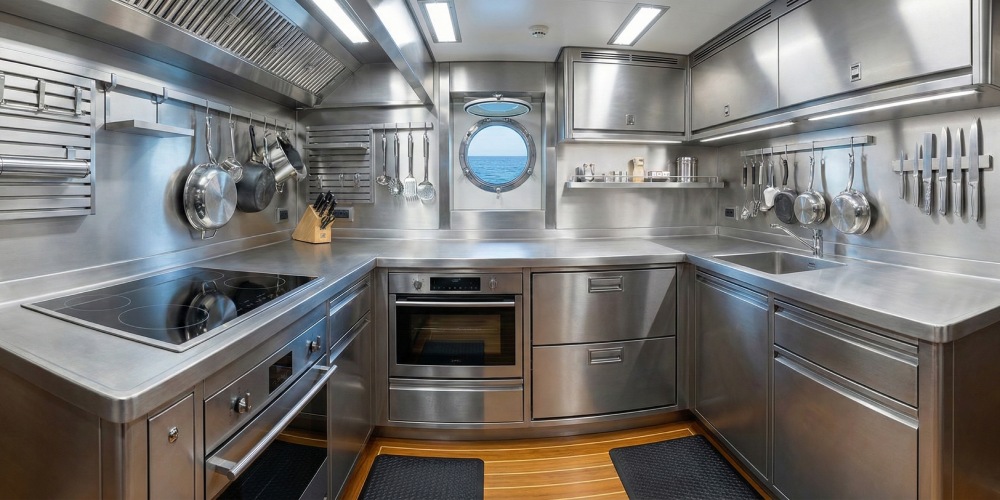
Professional chefs operating on luxury vessels require kitchen hardware that delivers consistent results under the unpredictable conditions of open-sea voyages while occupying the smallest possible physical footprint without compromising on the quality of the final culinary output. Compact combi ovens represent the pinnacle of this technology. These machines combine dry heat and steam in a single chamber. One oven replaces several traditional appliances. Space savings are immediate and substantial.
Modular cookers allow for custom configurations. Kaptans choose specific modules based on the mission of the vessel. Griddle plates and deep fryers fit together seamlessly. Stainless steel frames hold these units in place. Positive locking mechanisms prevent movement during heavy seas. Safety remains a priority in every design. Industrial galley equipment provides the reliability needed for extended offshore excursions.
Specialized Cold Storage and Food Preservation
Advanced refrigeration units designed for marine use utilize high-efficiency compressors and extra-thick polyurethane foam insulation to maintain precise temperature zones even when the vessel is subjected to high tropical temperatures or limited electrical power supply from the battery banks. Marine fridges must operate at various angles. Gravity-fed drainage systems prevent water buildup. Shelving units include high lips to stop bottles from sliding. Digital controllers monitor energy consumption.
Compact ice makers provide a steady supply for guests. These units fit into small voids under the counter. Water filtration systems ensure ice quality. Many models include self-cleaning cycles. This reduces the maintenance burden on the crew. Reliability in cold storage prevents food waste.
Industrial Laundry Systems for Damp Marine Environments
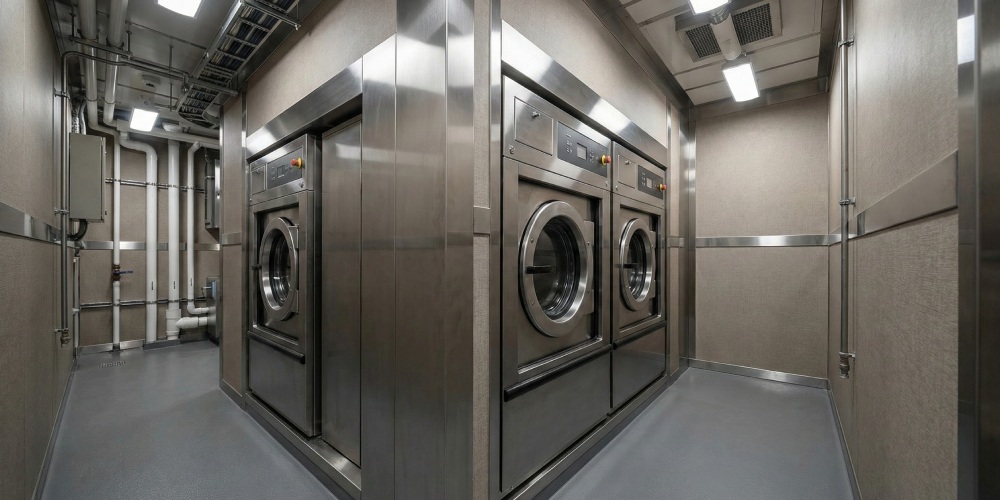
The selection of laundry equipment for marina facilities and yacht interiors involves a deep understanding of moisture-resistant electronics and structural reinforcement to ensure that high-speed spinning cycles do not transmit damaging vibrations through the composite or metal hull of the vessel. Standard household washers deteriorate quickly in salt air. Corrosion attacks internal circuits. Industrial marine washers utilize specialized coatings. These protect the components from oxidation.
Tumble dryers in marine settings require efficient lint filtration. Space-saving stacked units are the preferred choice for yacht interiors. They provide full-scale washing and drying in the footprint of a single machine. High-capacity drums handle heavy towels and linens. This speeds up the turnover between guests. Marina operators install these units in dockside kiosks for visitor use. They generate revenue while saving space.
Vibration Damping and Noise Reduction
Engineering laundry rooms on yachts requires the installation of heavy-duty vibration dampers and acoustic shielding to prevent the mechanical noise of high-speed motors from disturbing the quiet atmosphere of the guest cabins located in adjacent structural compartments. Flexible mounting systems absorb kinetic energy. Soundproof panels line the walls. Motors utilize inverter technology for smoother operation. This extends the life of the machine. It also protects the structural integrity of the cabinetry. Quiet operation is a hallmark of luxury.
Material Excellence: The Role of AISI 316 Stainless Steel
Maritime environments present a constant chemical challenge to metallic surfaces, making the use of AISI 316 grade stainless steel an absolute necessity for all industrial solutions due to its high molybdenum content which provides superior resistance to pitting and crevice corrosion in chloride-rich atmospheres. Standard steel rusts within weeks of exposure. Chromium-rich alloys form a protective oxide layer. AISI 316 remains the gold standard for maritime hardware. It withstands the harsh cleaning chemicals used in professional kitchens.
UNOKS utilizes high-grade stainless steel for every component. This includes frames, panels, and internal fasteners. The material is non-porous and hygienic. Bacteria cannot hide in the grain of the metal. Cleaning becomes a simple task. Polished surfaces reflect light and create a sense of space. Durability leads to lower replacement costs. Sustainable design starts with choosing the right metal.
Energy Efficiency and Power Optimization
Modern industrial marine appliances must be engineered to operate within the specific power limitations of a vessel’s shore power connection or its onboard generator capacity by utilizing intelligent load-sharing algorithms and high-efficiency power converters. Energy is a precious commodity at sea. Cihazlar (Appliances) must draw minimal current during startup. Peak shaving technology reduces the strain on the generator.
Smart control panels allow the crew to monitor usage. Automated shut-off features prevent energy waste. LED lighting in appliances reduces heat and power draw. High-efficiency motors lower the carbon footprint of the vessel. Efficiency directly impacts the range of the yacht. It also reduces fuel costs for the owner.
Adapting to Shore Power Variances
Marina shore power can be unstable in different parts of the world. Global yachts require equipment that handles variable voltages and frequencies. Multi-voltage transformers protect internal electronics. Power surges are common during storms. Integrated surge protectors prevent circuit failure. Industrial marine gear includes these safety features as standard. This ensures the equipment works in every port.
Household Appliances vs. Industrial Marine Equipment
|
Feature |
Household Appliances |
Industrial Marine Equipment |
|
Material Construction |
Plastic and low-grade steel |
AISI 316L Stainless Steel |
|
Corrosion Resistance |
Low (prone to rust in salt air) |
High (Molybdenum-enhanced alloy) |
|
Vibration Tolerance |
Minimal (parts loosen over time) |
Reinforced frames / Marine mounts |
|
Service Life |
2 - 4 Years in marine settings |
10 - 15 Years of heavy use |
|
Compact Efficiency |
Standard sizes only |
Modular / Custom-fit footprints |
|
Safety Certification |
CE / UL (General) |
IMO / SOLAS / Marine Standards |
|
Thermal Output |
High (poor insulation) |
Low (designed for tight spaces) |
Strategic Layouts for Yacht and Marina Facilities
The physical arrangement of industrial components within a compact maritime facility determines the overall workflow efficiency and safety of the environment, necessitating a design philosophy that prioritizes the "work triangle" while accounting for the unique movements of a vessel at sea. Paths must remain clear. Doors should not block corridors when open. Magnetic latches keep drawers closed during transit.
Designers utilize 3D modeling to test layouts before installation. This prevents costly errors. Every pipe and cable must have a planned route. Compact designs allow for easier access to the bilge or hull. Serviceability is a key factor in industrial layouts. Crew members must be able to reach filters and valves easily. A well-planned layout reduces stress for the staff.
Improving Crew Ergonomics
Ergonomic design focuses on the height and reach of the operator. Anti-fatigue mats reduce strain on the legs. Controls must be intuitive and easy to read. High-contrast displays are visible in low light. Handrails provide stability in rough weather. Industrial solutions include these human-centric details. Comfortable crew members provide better service. Productivity increases when the environment supports the worker.
Sustainability and Environmental Impact
The adoption of high-efficiency industrial solutions in marina life contributes significantly to the overall sustainability goals of the maritime industry by reducing water consumption, minimizing chemical runoff, and extending the replacement cycle of essential hardware. Efficient dishwashers use less water per cycle. This saves the fresh water supply in the tanks. Advanced filters in laundry systems trap microplastics. This protects the ocean.
Long-lasting equipment reduces industrial waste. Replacing a machine every two years is a burden on the environment. High-quality stainless steel is fully recyclable. Green initiatives in marinas often reward yachts that use energy-efficient systems. Sustainability is a core value for modern boat owners.
Water Management and Filtration
Desalination units and water filtration systems provide clean water for all onboard systems. Industrial-grade pumps maintain consistent pressure. Scale inhibitors protect the heating elements in ovens and washers. This prevents mechanical failure. Clean water improves the taste of food and the softness of linens. Integrated water management is a hallmark of a well-run vessel.
Professional Maintenance and Long-Term Reliability
Ensuring the continued performance of compact industrial systems in the maritime sector requires a proactive maintenance schedule and the use of modular parts that allow for rapid repairs without the need for extensive downtime in remote locations. Modular designs allow for "plug and play" repairs. Spare parts kits should be kept onboard. Marine engineers perform regular inspections of gaskets and seals.
Industrial equipment includes diagnostic features. Error codes identify problems before they cause a shutdown. Remote monitoring allows land-based technicians to assist the crew. High reliability is non-negotiable for commercial vessels. Maintenance ensures the safety of everyone on board. Professional service keeps the yacht ready for the next voyage.
The Future of Marine Industrial Integration
The ongoing development of smart sensors and internet-of-things (IoT) connectivity is transforming how industrial equipment functions within the marina ecosystem, allowing for real-time data analysis that optimizes energy use and predicts maintenance needs before failures occur. Future systems will be even smaller and more powerful. Carbon fiber and advanced composites may reduce weight further. AI-driven chefs’ assistants could manage oven temperatures.
Technological progress continues to move toward total automation. Marina managers will track every kilowatt from a smartphone. Yachts will communicate directly with dockside services. The goal remains the same: providing maximum service in minimum space. Innovation drives the maritime industry forward.
Industrial solutions for marina life represent a specialized field of engineering. Success requires a deep understanding of sea conditions and spatial limits. AISI 316 stainless steel provides the foundation for durability. Modular designs ensure efficiency. High-performance laundry and galley gear make life at sea more comfortable.
Professional maritime operators choose industrial equipment for its longevity. The initial investment pays for itself through reduced maintenance and lower energy costs. Compact verimlilik (efficiency) is the key to modern yachting. Every vessel benefits from a technical approach to design. High-output systems can indeed fit into small spaces.
Reliability is the ultimate luxury at sea. Equipment that works every time provides peace of mind. Marine industrial solutions provide this security. High-quality hardware ensures a safe and productive journey. Choosing the right partner for these systems is the first step toward a successful maritime project.