Energy is the most critical resource of a yacht while cruising offshore. Every system, from navigation devices to industrial kitchen equipment, needs electricity. On yachts, which are off-grid living spaces, the design of the electrical infrastructure is vital. A correctly calculated generator and an efficient distribution system are the foundation of a safe journey. Professional suppliers like UNOKS ensure this complex energy network is built with the right components.
Basic Structure of Yacht Electrical Systems
Yacht electrical infrastructure manages two main current types simultaneously, unlike residential systems. Engineers divide the system into DC (Direct Current) and AC (Alternating Current).
DC Systems (12V/24V)
Battery banks feed DC systems. They sustain basic functions when the engine is not running. Cruising electronics, bilge pumps, lighting, and communication devices usually use this line. The risk of shock is low because it operates at low voltage, but cable cross-section calculations must be done carefully. Thin cables cause voltage drops and overheating.
AC Systems (110V/220V/380V)
Devices requiring high power use AC current. Air conditioners, watermakers, ovens, and dishwashers fall into this group. This energy comes from generators or the shore power line while in port. Safety in AC systems is ensured by residual current devices and proper grounding.
Generator Selection and Power Calculation
The most difficult decision for yacht owners is determining the right generator capacity. A generator that is too small will overload and shut down. A generator that is too large runs at low load, shortening engine life and causing wet stacking.
The following steps are taken for the correct selection:
- Load Analysis: The power (Watts) of all AC devices likely to run simultaneously is totaled.
- Inrush Current: Motorized devices like air conditioners and refrigerators draw 3-4 times the normal current at startup. The generator must meet this instantaneous demand.
- Redundancy: Large yachts usually have two generators. One handles the main load, while the other is kept as a backup for night use (low load) or malfunctions.
Table 1: Estimated Energy Consumption Values on a Typical Yacht
| Equipment | Operating Voltage | Average Consumption (Watts) | Inrush Current Effect |
| Air Conditioner (12k BTU) | 220V AC | 1200 W | High |
| Watermaker | 220V/380V AC | 2000 W | Medium |
| Refrigerator | 12V/24V DC or 220V AC | 150 - 300 W | High |
| Electric Stove | 220V AC | 2000 - 4000 W | Low (Resistive) |
| Navigation Screens | 12V/24V DC | 50 - 100 W | None |
| Battery Charger | 220V AC | 1000 - 3000 W | Medium |
Shore Power and Isolation Transformers
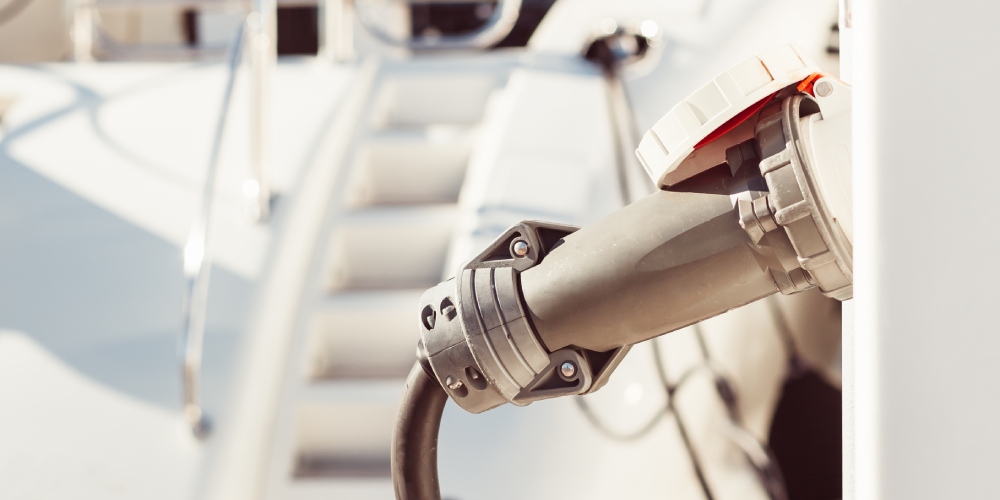
When a yacht connects to a marina, it receives energy from boxes called "pedestals" on the shore. This process is called shore power. However, connecting the boat's electrical system directly to the shore grid is risky.
Galvanic Corrosion Risk
When boat grounding connects with shore grounding, a battery effect occurs between underwater metals (propeller, shaft, anodes). This situation leads to rapid melting (corrosion) of the metals.
Solution: Isolation Transformer
The isolation transformer magnetically cuts the physical link between shore electricity and boat electricity. Energy transfers, but galvanic current flow is blocked. This hardware is mandatory for hull protection.
Energy Storage and Inverters
Running the generator continuously creates noise and fuel costs. Inverters come into play for "quiet times." The inverter converts DC energy in batteries into 220V AC energy that household devices can use.
Modern systems use "Combi" units. These units act as both an inverter and a battery charger (rectifier). They charge batteries when shore power or the generator activates; when energy is cut, they switch to inverter mode in milliseconds and continue to feed the devices.
Safety and Maintenance Routines
The marine environment is very wearing on electrical systems due to humidity, salt, and vibration. Regular maintenance is essential to minimize fire risk and extend system life.
- Cable Connections: Loose connections create arcs (sparks) and heat. Screws in panels must be tightened periodically.
- Generator Maintenance: Oil changes, impeller (water circulation rubber) checks, and exhaust elbow cleaning must not be skipped. A clogged water intake causes the generator to overheat within minutes.
- Battery Water: Pure water levels in lead-acid batteries must be checked. Cleaning terminals is sufficient for Gel or AGM batteries.
With the development of technology, Lithium-Ion (LiFePO4) batteries have started to be used more frequently on yachts. These batteries have started a new era in energy management with their lighter weight and deep discharge capabilities. UNOKS follows the latest technologies and offers sustainable and safe energy solutions to sailors. The electrical system is the invisible power determining a yacht's comfort; managing this power correctly means enjoying the sea.