One of the most common reasons for vessel detention or severe penalties during Port State Control (PSC) audits is an inadequate, non-standard galley design. Unlike land-based restaurants, a cruise ship, commercial vessel, or superyacht kitchen must produce thousands of meals under conditions of high humidity, limited space, and constant vessel motion. Ensuring food safety on ships and passing international inspections with zero findings relies on correctly integrating HACCP criteria and maritime hygiene standards directly into the industrial kitchen architecture.
Key Maritime Hygiene Regulations: USPH, MLC 2006, and HACCP
An outbreak of foodborne illness on the open sea can completely paralyze a vessel's operations. To mitigate this risk, international maritime authorities enforce strict layout and construction rules:
-
USPH (Vessel Sanitation Program): This is the world's most stringent hygiene standard, particularly within the cruise sector. It inspects every minute detail, from the threading of screws to the radiused (rounded) corners of under-counter joints.
-
MLC 2006: This convention protects crew welfare, nutrition, and living conditions. It mandates that the galley's volume, ventilation, and storage spaces are entirely sufficient relative to the total number of crew members on board.
-
HACCP (Hazard Analysis and Critical Control Points): A systematic management approach consisting of 7 core principles designed to protect food safety from biological, chemical, and physical hazards.
Implementing the 7 HACCP Principles in Audit-Ready Galley Design
The layout and selection of kitchen equipment directly shape the HACCP flow chart. During the design phase, these 7 principles are put into practice as follows:
1. Conducting a Hazard Analysis (The Linear Dirty-to-Clean Flow)
The only way to prevent cross-contamination (the transfer of pathogens to clean food) is to design a strict, non-reversible linear workflow within the galley. Products exiting the raw ingredient storage must follow a continuous path through preparation, cooking, and service lines without ever intersecting with dishwashing or waste disposal routes.
2. Determining Critical Control Points (CCPs)
The most critical control points on a vessel occur during cooking and cold storage phases. According to USPH standards, walk-in freezer and cold room temperatures must be continuously monitored and logged retrospectively. Designs should feature flush digital display panels capable of transmitting this data directly to the bridge or a centralized automation system.
3. Establishing Critical Limits
It is essential to prevent food from entering the "danger zone temperature" (between 4 and 60 degrees Celsius) where rapid bacterial growth occurs. Equipment must be fitted with marine-type reinforced compressors capable of maintaining these limits despite fluctuating engine room temperatures.
4. Establishing Monitoring Procedures for CCPs
The wash and rinse temperatures of dishes are critical for eliminating pathogens. The scullery equipment selected for the layout must include integrated booster heaters to guarantee that final rinse water reaches at least 82 degrees Celsius.
5. Establishing Corrective Actions
Audible and visual alarm systems that trigger during unexpected temperature drops or power interruptions must be seamlessly integrated into the galley control panels.
6. Establishing Verification Procedures & 7. Record-Keeping Procedures
The calibration logs of all devices and the digital temperature history files are among the very first documents requested by PSC inspectors during an audit.
Equipment Selection and Engineering Details
When it comes to maritime food safety, ordinary land-based kitchen appliances are a direct cause for audit failure. Galley design engineering must prioritize these specific structural details:
-
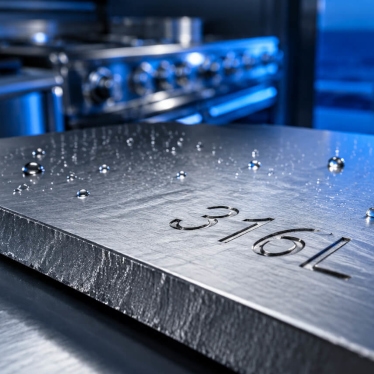
Material Specification (AISI 316L): All countertops, sinks, and exhaust hoods must be manufactured from marine-grade AISI 316L stainless steel to withstand the corrosive marine atmosphere and aggressive sanitizing chemicals.
-
Seamless Welding and Zero Crevices: Under USPH guidelines, food-contact zones cannot contain exposed screws, rivets, or open gaps. All joints must be argon-welded, ground smooth, and polished to eliminate potential bacterial harborages.
-
Marine-Specific Hardware: Standard provisions must include adjustable storm rails to prevent pots from sliding off cooking ranges in heavy seas, heavy-duty marine locking latches on all cabinet doors, and flanged stainless steel feet that can be bolted or welded directly to the deck.
Safe Voyages Begin with Proper Design
Food safety on ships is not merely an operational habit; it is a legal and technical shield protecting the vessel's commercial continuity. A marine galley meticulously designed in full compliance with HACCP, MLC 2006, and USPH standards ensures smooth, penalty-free Port State Control inspections while safeguarding the health of both guests and crew. Investing in high-grade materials, linear flow layouts, and precision-engineered equipment remains your most reliable asset on the open ocean.