The global shipping sector operates under increasing scrutiny from international regulatory bodies, charterers, and port state controls demanding verifiable sustainability metrics. While much of the decarbonization dialogue concentrates on alternative marine fuels and propulsion technologies, deep-sea vessels generate vast volumes of operational waste, decommissioned machinery, and material throughput every day. Historically, maritime supply chains followed a linear "take-make-dispose" pattern: equipment was fabricated, used through its warranty period or until failure, and discarded during port overhauls.
Transitioning to a circular maritime economy alters this model entirely. By emphasizing design for disassembly, extended operational lifecycles, onboard waste recovery, and closed-loop material recycling, vessel operators reduce environmental impact while substantially lowering lifecycle capital expenditures.
Designing Shipboard Equipment for Extended Lifecycles
At the foundation of circular shipping is the specification of machinery and outfitting designed to resist the extreme wear of saline, high-vibration marine environments over multiple decades:
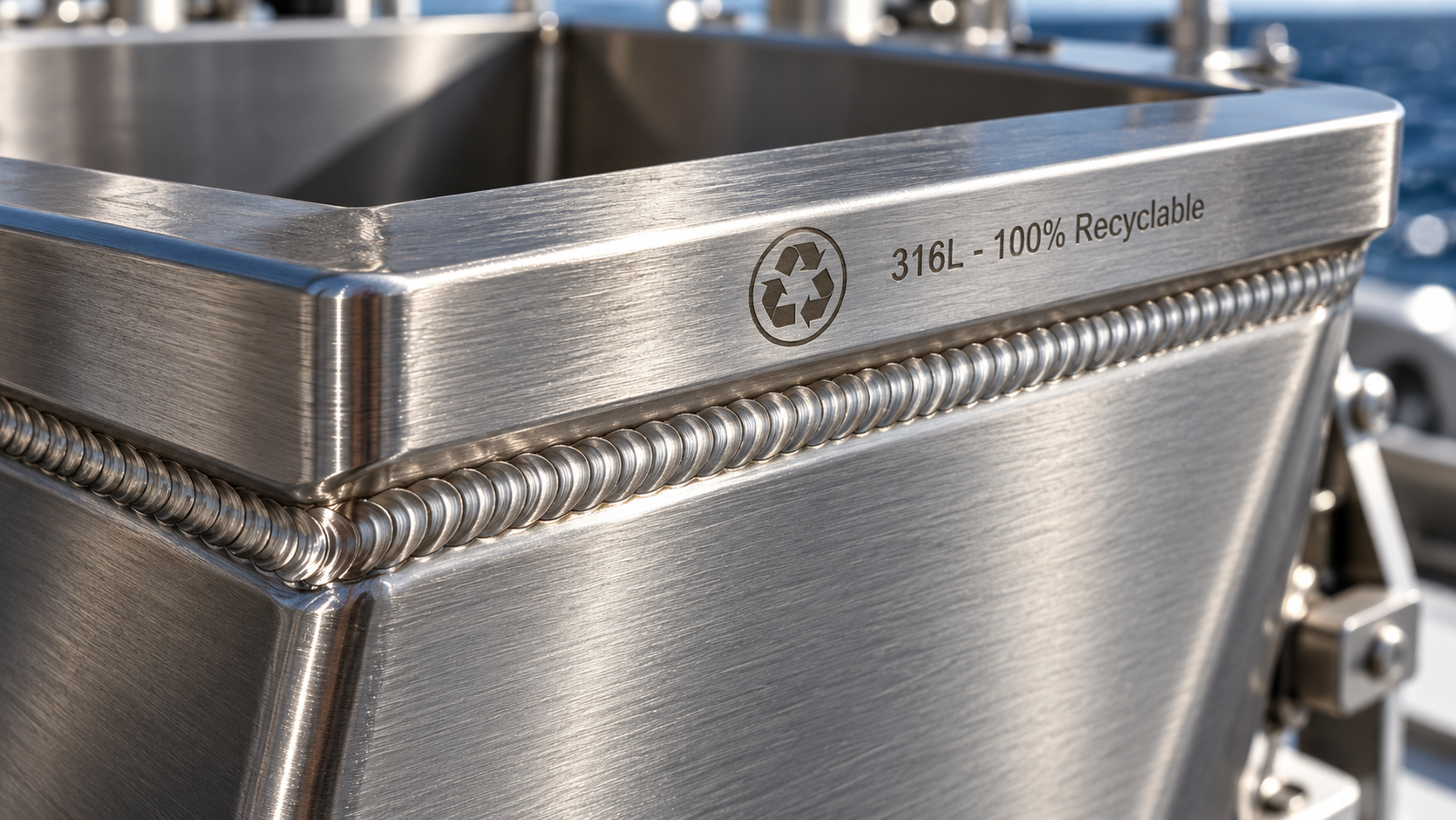
- Permanent Metallurgy Selection: Utilizing high-grade AISI 304 and molybdenum-fortified AISI 316L stainless steel across marine culinary, medical, and waste processing zones prevents premature degradation. Unlike coated steels or plastics that fail under harsh UV and salt spray exposure, austenitic stainless alloys retain structural properties indefinitely and are entirely recyclable without performance loss.
- Modular Architecture and Component-Level Overhauls: Equipment engineered around standardized modular dimensions allows technicians to replace worn motors, pumps, or heating elements independently. Refurbishing discrete components on site eliminates the resource waste and carbon overhead associated with replacing entire welded counters or storage blocks.
- Preventative Diagnostics and Predictive Servicing: Modern marine hardware equipped with digital monitoring interfaces tracks operating cycles, pump pressures, and thermal loads. Catching mechanical wear early prevents catastrophic failures that prematurely consign heavy assets to scrap.
Closed-Loop Waste Treatment and Resource Valorization
Shipboard waste management is governed strictly by IMO MARPOL Annex V, which regulates what can and cannot be discharged at sea. A circular framework treats solid and organic streams not as disposal burdens, but as secondary resources:
- Dry Waste Volume Reduction: Dedicated onboard processing lines—such as electromechanical waste compactors, glass crushers, and cardboard balers—reduce the physical volume of recyclable refuse by up to eighty percent. Segregated, densified waste occupies minimal storage space in chilled holding holds and commands higher material scrap values upon offloading at port recycling facilities.
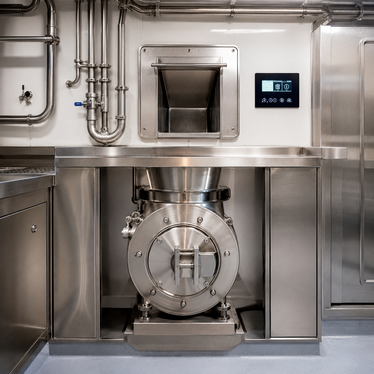
- Food Waste Dewatering and Bioconversion: Food remnants from galleys and crew mess rooms carry heavy moisture loads that complicate cold storage and incineration. Modern vacuum maceration combined with integrated centrifugal dewatering units strips moisture out of organic pulp, producing dry biomass suitable for clean incineration or onshore composting.
- System Integration: Pairing purpose-built shredders and containment infrastructure under structured marine waste management programs ensures clean regulatory compliance during port state inspections.
Regulatory Alignment and Safe Material Reintegration
Embracing circularity across international fleets supports full compliance with evolving global maritime safety, labor, and recycling frameworks:
- Hong Kong Convention and the EU Ship Recycling Regulation: Vessels must maintain an active Inventory of Hazardous Materials (IHM) documenting all onboard metals, polymers, and chemical compounds. Incorporating inert, fully documented materials like clean stainless steel streamlines end-of-life vessel dismantling at certified sustainable green ship recycling yards.
- Minimizing Single-Use Ship Stores: Forward-thinking fleet managers work directly with provisions suppliers to implement reusable transport containers, standardized plastic crates, and closed-loop delivery packaging, eliminating disposable plastics before they cross the gangway.
- Operational Synergies: Establishing structured sorting and processing workflows highlights the critical role of waste management in the maritime sector, demonstrating that environmental compliance directly supports operational efficiency.
Securing Long-Term Resiliency in Sustainable Shipping
The circular economy in shipping is an operational strategy that replaces single-use disposal habits with durable engineering and closed-loop resource systems. By prioritizing repairable stainless steel architecture, maximizing onboard waste density, and designing for end-of-life recycling, fleet owners protect ocean ecosystems while driving long-term economic resilience across their fleets.