The modern shipbuilding sector is undergoing a profound digital transformation driven by strict decarbonization targets, aggressive delivery schedules, and increasingly complex vessel architecture. Traditional 3D CAD models are no longer sufficient to predict how a vessel will perform under real-world maritime conditions. Today, naval architects and shipyards rely on digital twin technology a dynamic, real-time virtual replica of a physical vessel to simulate hydrodynamic performance, test machinery workflows, and compute regulatory compliance before any steel is cut in the shipyard.
By integrating multi-physics simulation with operational data, digital twins eliminate costly physical rework, optimize space utilization, and redefine how auxiliary systems like galleys and laundries are engineered.
What Is a Digital Twin in Naval Architecture?
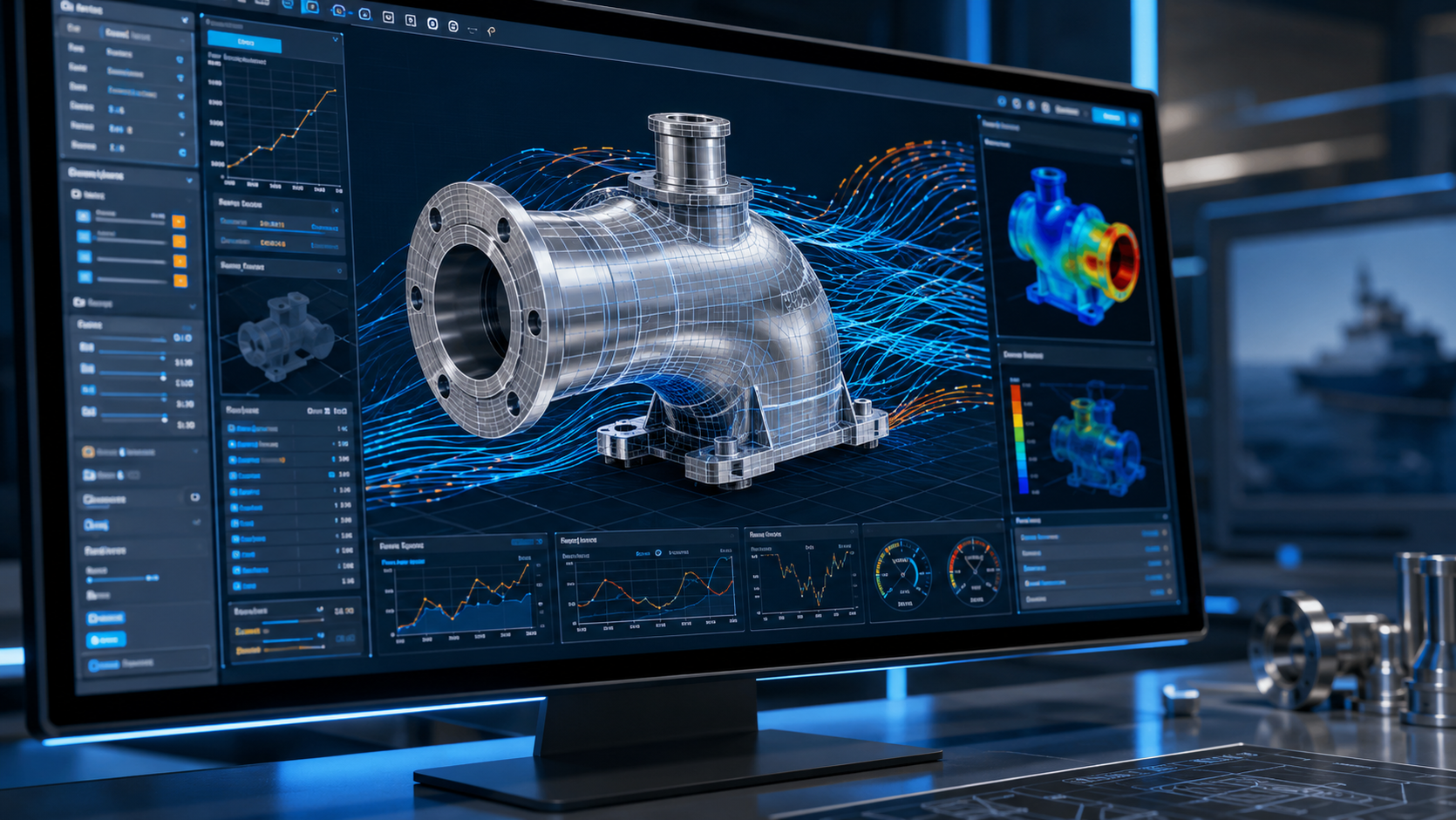
Unlike static digital blueprints, a maritime digital twin is an active, data-driven virtual model that continuously synchronizes with environmental parameters, structural physics, and mechanical systems.
Predictive Hydrodynamics and Structural Integrity: Shipbuilders use digital twins to run virtual sea trials. These simulations analyze hull resistance, wave interaction, and structural stress under varying sea states, allowing engineers to refine hull geometries to achieve maximum fuel efficiency long before construction begins.
Virtual Integration of Auxiliary Machinery: Modern vessels pack complex utility networks into compact footprints. Digital twins enable engineers to map out piping, electrical loads, and HVAC ducting with millimeter precision, eliminating spatial collisions between structural ribs and heavy machinery.
Lifecycle Data Modeling: A digital twin remains active throughout the ship’s operational lifespan. Sensor data streamed from the physical ship continuously updates the virtual model, enabling predictive maintenance algorithms to flag component wear before a failure occurs at sea.
Optimizing Galley and Laundry Layouts in Virtual Environments
Auxiliary utility spaces—such as commercial galleys and crew laundries—are notoriously difficult to design efficiently due to dense service connections, strict hygiene protocols, and high heat output. Digital twins solve these challenges during the early architectural phase.
Ergonomic Workflow and Space Utilization
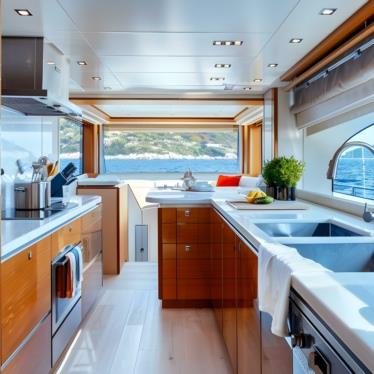
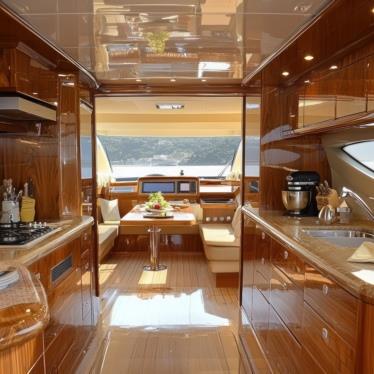
Naval architects use virtual reality (VR) environments linked to digital twins to simulate crew movement within utility compartments. Engineers can test the physical flow of dirty-to-clean laundry lines or kitchen meal prep paths, ensuring that layout designs comply with MLC 2006 welfare guidelines while optimizing every square meter of deck space.
Thermal, HVAC, and Load Balancing Simulations
Galley cooking ranges and heavy-duty laundry dryers generate massive thermal loads and humidity. Through Computational Fluid Dynamics (CFD) embedded in the digital twin, engineers model airflow patterns and exhaust efficiency in real time. This ensures that HVAC systems are accurately sized to prevent heat buildup without drawing excess auxiliary power from the main engines.
Furthermore, analyzing marine laundry equipment modeled in digital twin simulation environments allows designers to test peak electrical draw, verify water recovery loops, and evaluate structural vibration damping before specifying exact machinery models for procurement.
CII Rating Predictions and Decarbonization Modeling
With the International Maritime Organization (IMO) enforcing strict Carbon Intensity Indicator (CII) ratings, calculating a vessel’s operational efficiency rating during the design stage is critical for shipyard competitiveness.
Digital twins aggregate power consumption data from every onboard system—including propulsion, auxiliary generators, HVAC units, and utility machinery. By running operational profiles through simulated weather routes, naval architects can accurately forecast the vessel’s future CII rating. If the simulation indicates a risk of a low efficiency grade, engineers can immediately modify insulation, swap heavy electrical consumers for closed-loop heat pump units, or adjust power distribution strategies while the vessel is still on the drawing board.
Virtual Precision for Future-Proof Vessels
Digital twin technology has evolved from an advanced engineering tool into a fundamental pillar of modern naval architecture. By virtually simulating vessel performance, optimizing complex interior utility spaces, and predicting regulatory compliance, shipbuilders minimize construction risks and deliver significantly more efficient vessels. As green shipping mandates become tighter, building a vessel virtually first is the most reliable strategy to ensure operational excellence and long-term fleet viability.