Under Maritime Labour Convention (MLC 2006) mandates, providing functional laundry facilities for the crew is a strict legal obligation on all commercial vessels, not a luxury. However, achieving true maritime compliance goes far beyond securing basic commercial washing machines. A shipboard laundry room operates under heavy scrutiny, balancing crew welfare requirements against rigid environmental discharge laws under the MARPOL convention.
During Port State Control (PSC) audits, inspectors look beyond simple equipment functionality. They thoroughly evaluate spatial ventilation, layout workflows, biochemical containment, and cross-contamination prevention protocols to ensure the vessel meets absolute safety standards.
MLC 2006 Laundry Requirements and Crew Welfare
The MLC 2006 framework explicitly connects crew hygiene and living conditions directly to operational safety at sea. An inadequate or poorly designed laundry space can lead to immediate vessel detention during a port audit.
Proportional Equipment Capacity: Regulations dictate that the number, volume, and throughput capacity of washers and dryers must be strictly proportional to the vessel's crew manifest. Equipment must be sufficient to handle coveralls, bed linens, and personal clothing without causing operational backlogs.
Climate and Ventilation Control: Marine laundry spaces generate extreme heat and humidity. Compliance mandates dedicated mechanical exhaust systems capable of rapidly removing moisture and lint, preventing the growth of black mold and protecting crew health.
Acoustic and Vibration Isolation: To safeguard crew rest areas, laundry machinery must be structurally isolated. Industrial units require heavy-duty shock absorbers or specialized floating foundation mounts to keep noise and structural vibrations from penetrating adjacent living quarters.
MARPOL Graywater Discharge Rules and Environmental Management
Wastewater generated by shipboard laundry operations falls under strict environmental scrutiny. Managing laundry graywater is one of the most critical aspects of passing global maritime audits.
MARPOL Annex IV and Special Area Restrictions
Laundry effluent contains highly concentrated detergents, microplastics, and organic chemicals. Under MARPOL regulations, discharging untreated graywater within designated "Special Areas" or specific coastal boundaries is strictly prohibited. Vessels must be equipped with dedicated holding tanks or advanced onboard water treatment systems to safely store or process chemical-heavy laundry water until the ship reaches open international waters or a port reception facility.
Eco-Friendly Detergent Integration
Modern ship laundry compliance requires the exclusive use of biodegradable, phosphate-free detergents. Standard land-based chemicals disrupt onboard graywater treatment plants and violate international marine environmental protection protocols. Storage layouts within the laundry room must feature dedicated chemical containment bunds to trap any accidental detergent spills before they can enter the bilge.
Technical Equipment Specifications and PSC Inspection Criteria
When a Port State Control Officer (PSCO) boards a vessel for a laundry inspection, they trace the entire lifecycle of the linen to verify full compliance with marine laundry hygiene standards.
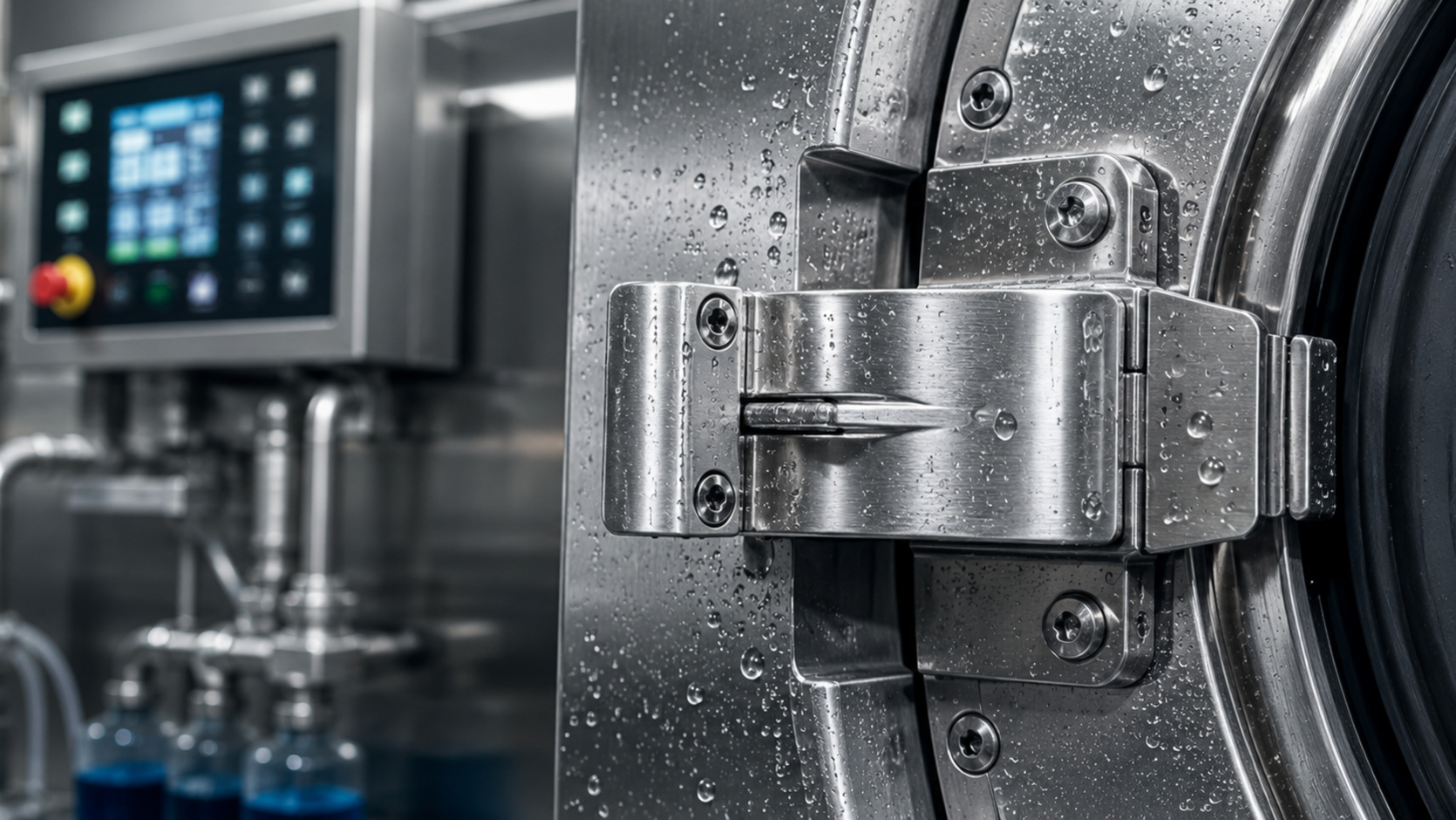
For a smooth, finding-free audit, the facility layout must follow a strict "dirty-to-clean" linear workflow. The physical path of contaminated workwear or linen must never intersect with freshly laundered items, requiring distinct sorting, washing, and folding zones. Furthermore, standard appliances fail under maritime structural twisting; hence, systems must rely on ruggedized designs featured in specialized marine laundry equipment. These industrial-grade units utilize AISI 304 or AISI 316L stainless steel drums, reinforced door latches, and internal marine-type dampers built to survive continuous hull vibrations.
Implementing comprehensive, pre-engineered laundry systems on yachts and ships ensures that lint filters are easily accessible for mandatory fire-prevention cleaning, electrical control panels are fully splash-proof, and chemical dosing pumps operate accurately without leaking toxic residues into the drainage line.
Mitigating Risk Through Compliant Engineering
Maintaining ship laundry compliance is a vital technical shield that protects a vessel from costly port detentions and environmental fines. By selecting heavy-duty, marine-certified washing machinery, engineering a non-reversible linear layout, and managing graywater according to strict MARPOL guidelines, vessel operators guarantee a safe, hygienic, and legally compliant environment for their crew across every global trade route.