In commercial and marine foodservice environments, maintaining strict hygiene and food safety standards is non-negotiable. Equipment installed in high-output kitchens, crew galleys, and offshore dining facilities faces constant exposure to grease, moisture, biological contaminants, and harsh chemical sanitizers. To ensure that foodservice machinery does not harbor pathogens, leach harmful substances, or break down mechanically, regulatory bodies and health inspectors worldwide look for one definitive mark of trust: NSF certification.
Earning this credential requires commercial and marine kitchen equipment to undergo rigorous third-party testing and physical audits to prove superior sanitation, cleanability, and structural durability.
What Does NSF Certification Represent?
Established by the National Sanitation Foundation (now known simply as NSF International), this standard certifies that equipment used in commercial food preparation is engineered to prevent foodborne illness and cross-contamination.
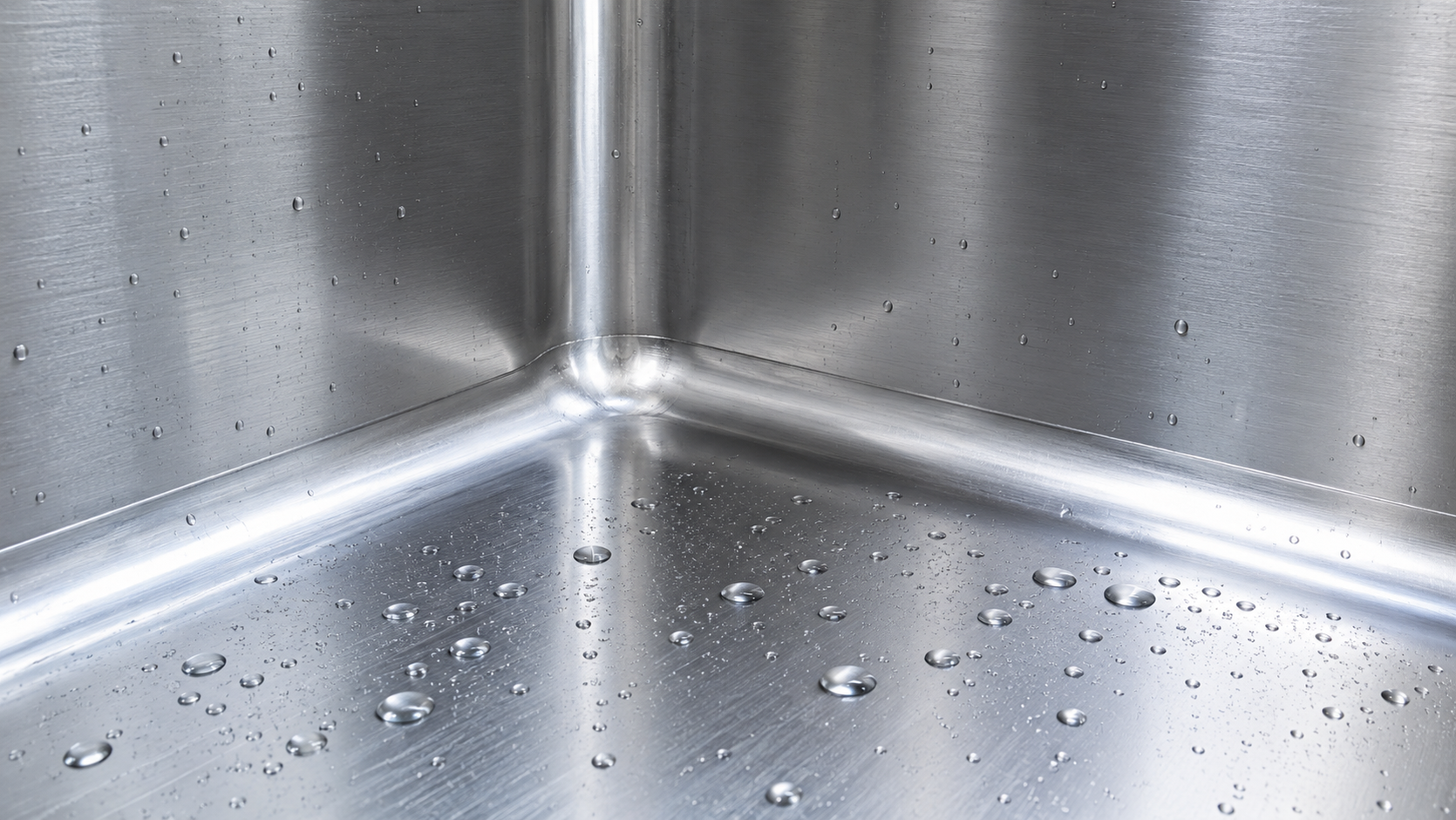
Sanitary Design and Cleanability: Certified equipment must be built without rough internal welds, dead ends, exposed fastener threads, or tight 90-degree internal corners where organic residues and bacteria can accumulate.
Corrosion Resistance and Non-Toxic Metallurgy: Materials in direct contact with food must be inert, non-porous, and resistant to pitting or chipping. This standard heavily favors certified alloys, demonstrating why 316L stainless steel is the best choice for marine applications due to its molybdenum content and unmatched corrosion resistance against acidic foods and saline environments.
Performance Reliability and Thermal Verification: Equipment such as dishwashers, holding cabinets, and refrigeration units must reliably reach and maintain exact temperature thresholds to eliminate bacteria and inhibit microbial growth.
Core Criteria of NSF Standards in Commercial Kitchens
NSF evaluation relies on clear, testable engineering requirements across every stage of equipment fabrication:
1. Food Contact vs. Non-Food Contact Zones
NSF standards classify equipment surfaces into distinct zones. "Food contact zones" require satin-smooth finishes, seamless continuous welding, and coved internal radiuses to allow complete washdown. "Non-food zones" must still be sealed against liquid entry, pest harborage, and internal grease accumulation.
2. Disassembly Without Specialized Tools
Any component requiring daily sanitation—such as cutting boards, slicer blades, gasket seals, and storm rails—must be removable by hand or with simple kitchen tools. This design requirement ensures staff can clean critical assemblies without neglecting hidden contact faces.
3. Structural Integrity and Long-Term Durability
Unlike standard residential appliances, commercial units bearing the mark must demonstrate physical resilience under continuous, heavy-duty operation. Gaining verified NSF certification validates that equipment withstands thermal shock, high-pressure spray cleaning, and aggressive cleaning chemicals without surface degradation.
Why Marine and Offshore Galleys Demand Certified Equipment
While land-based restaurants depend on NSF approval to pass municipal health inspections, the stakes are even higher on marine vessels and offshore platforms:
Mitigating High-Consequence Outbreaks: At sea, gastrointestinal outbreaks can quickly incapacitate an entire crew and compromise navigation safety. NSF-certified surfaces drastically lower the risk of bacterial colonies like Salmonella, Listeria, and E. coli.
Seamless Regulatory Compliance: Certified marine equipment simplifies compliance with the Maritime Labour Convention (MLC 2006), US Public Health (USPH) Vessel Sanitation Program (VSP) guidelines, and international Port State Control audits.
Extended Asset Lifespan: Equipment constructed to meet rigorous sanitary thresholds uses heavy-gauge stainless steel, reinforced hinges, and sealed electrical housings, ensuring prolonged service life despite continuous shipboard vibration.
Investing in Long-Term Food Safety and Compliance
NSF certification is far more than a simple compliance badge; it is a comprehensive engineering guarantee that commercial kitchen equipment meets the highest global benchmarks for hygiene, food contact safety, and structural longevity. For commercial restaurateurs, technical managers, and naval outfitting contractors, selecting certified equipment minimizes operational liabilities, simplifies daily sanitization workflows, and protects public health on land and at sea.